

Sustainable Agriculture Division
"Growing the Future"
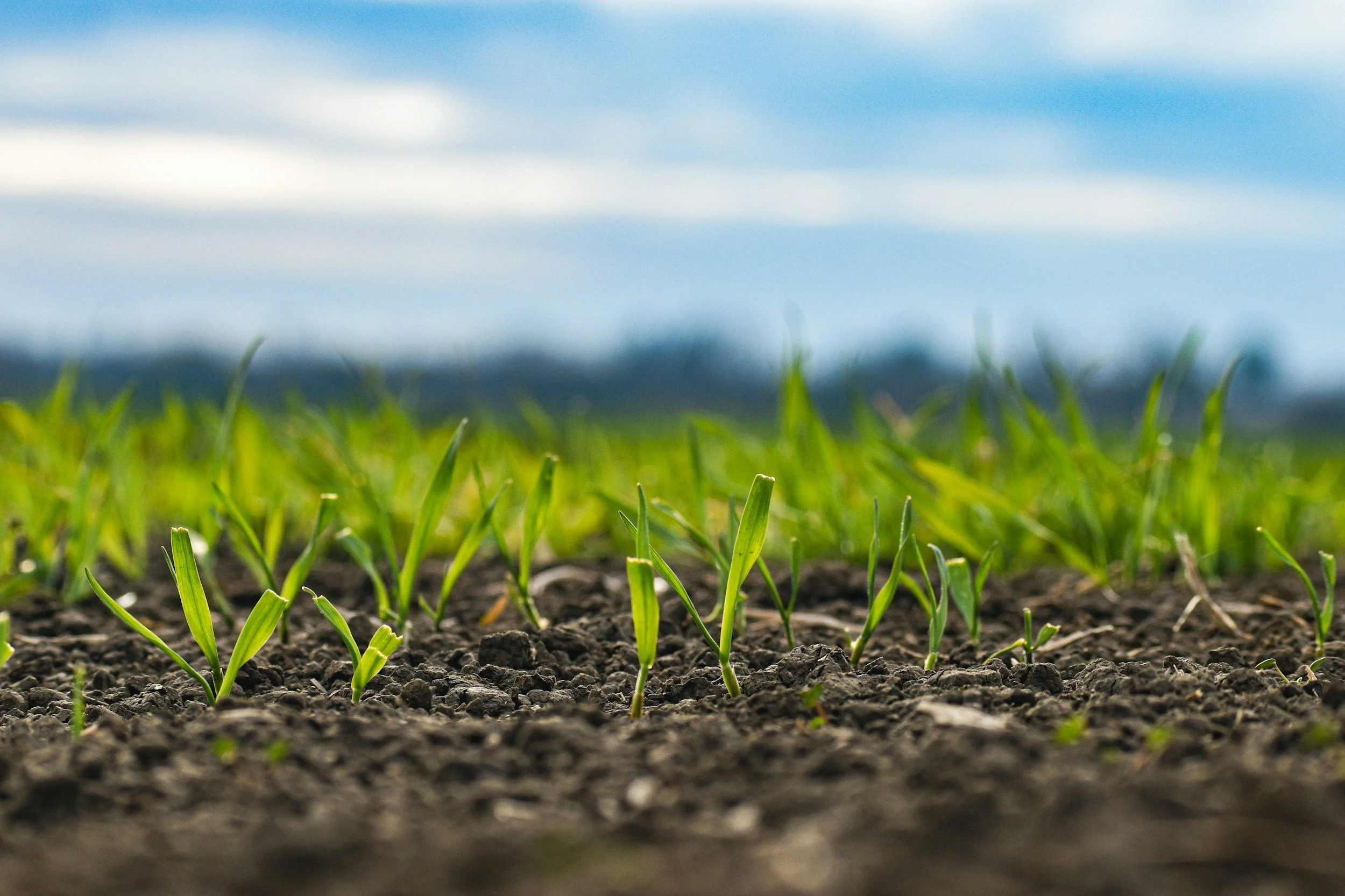
The Sustainable Agriculture Division will operate as a Hybrid Social Enterprise, supporting Zambia's agricultural transformation agenda through climate-smart farming, food security, livestock development, aquaculture, agribusiness, and farmer capacity building. The Division will work in strategic partnership with Government ministries, research institutions, agricultural cooperatives, and development partners to strengthen resilient food systems while creating sustainable economic opportunities for rural and peri-urban communities.
Unlike a conventional farming enterprise, the Division will function as an Integrated Agricultural Development Hub, combining commercial agricultural production with farmer training, technology transfer, value addition, and community empowerment. Revenue generated from commercial farming operations will be reinvested into expanding agricultural innovation, improving food security, and supporting smallholder farmers.
Over the next five years, the Division aims to become a nationally recognized model for climate-smart, circular agriculture that advances food security, employment creation, environmental sustainability, and inclusive economic growth.
Operating Model
Public Value
The Sustainable Agriculture Division will support national priorities by promoting:
National food and nutrition security
Climate-smart agriculture
Livestock development
Aquaculture and fisheries
Irrigation and water management
Youth and women in agriculture
Farmer skills development
Agricultural value addition
Cooperative development
Environmental conservation
Rural economic development
Commercial Sustainability
The Division will generate sustainable revenue through:
Commercial crop production
Poultry, piggery, and aquaculture enterprises
Seedling and breeding stock sales
Agricultural training and extension services
Agribusiness consultancy
Farm produce processing and value addition
Supply of organic fertilizers and animal feed
Contract farming and out-grower schemes
Government agricultural programmes
Public-Private Partnership (PPP) projects
Carbon-smart and regenerative agriculture initiatives
Financial Sustainability Target
By the end of Year Five, 70% of operational costs will be financed through internally generated income and long-term MoUs agreements.
Proposed Strategic Memoranda of Understanding (MoUs)
To strengthen implementation, promote knowledge sharing, and enhance programme sustainability, VastEdge Ventures intends to establish formal Memoranda of Understanding (MoUs) and strategic collaboration agreements with the following institutions:
Ministry of Agriculture – Collaboration on climate-smart agriculture, farmer extension services, food security initiatives, and agricultural policy implementation.
Ministry of Fisheries and Livestock – Joint programmes in livestock production, aquaculture development, animal health, and value chain enhancement.
Ministry of Green Economy and Environment – Partnership on environmental conservation, climate resilience, sustainable land management, and green agricultural practices.
Zambia Agriculture Research Institute (ZARI) – Research collaboration, technology transfer, improved seed systems, and agricultural innovation.
National Agricultural Information Services (NAIS) – Farmer education, extension communication, knowledge dissemination, and public awareness programmes.
Local Authorities – Community mobilization, land use planning, local economic development, and implementation of district agricultural programmes.
Farmer Cooperatives – Capacity building, market access, production support, and cooperative enterprise development.
Constituency Development Fund (CDF) Committees – Joint implementation of community agricultural projects, youth empowerment initiatives, and infrastructure development.
Agricultural Colleges and Universities – Research partnerships, student internships, practical training, innovation, and knowledge exchange.
Development Partners – Technical assistance, programme financing, capacity development, and collaborative implementation of sustainable agriculture initiatives.
Strategic MoUs Objective
The proposed Memorandum of Understanding will establish a collaborative framework for resource mobilization, technical cooperation, policy alignment, research, innovation, capacity building, and programme implementation. These MoUs will strengthen the Sustainable Agriculture Division's ability to deliver measurable social and economic impact while advancing Zambia's national priorities in food security, climate resilience, rural development, and sustainable agricultural transformation.
Programme Objective
To proposed MoUs with agricultural institutions, private sector stakeholders, and farming communities to promote integrated, climate-smart agriculture that enhances food security, strengthens rural livelihoods, increases agricultural productivity, and supports sustainable economic growth. Through a financially sustainable Hybrid Social Enterprise model, the programme will combine commercial agricultural production with farmer training, innovation, value addition, and environmental stewardship to build resilient farming systems that benefit both communities and the national economy.
Operating under a Hybrid Social Enterprise model, the Sustainable Agriculture Division will balance commercial agricultural production with measurable social impact by reinvesting a portion of its earnings into farmer development, agricultural innovation, climate resilience, and community food security programmes. By the end of the five-year implementation period, the Division aims to finance 70% of its operational costs through commercial farming, livestock and aquaculture production, value-added agricultural products, agribusiness consultancy, farmer training programmes, and strategic public-private partnerships. This model will ensure long term financial sustainability while advancing in food security, rural development, employment creation, and sustainable agricultural transformation.